 3:25
3:25 Price Action
The Cup and Handle: Patience Pays on This Breakout (Swing Trading)
The cup and handle: a rounded base, a low-volume handle, then the breakout. Anatomy, the entry/stop/target, the buy-the-cup trap, and a real chart.
A stacking signal
The trigger is the specific candle or event that says 'now' — it turns a watchlist setup into a live entry with a defined stop.
A trigger is the precise entry signal that fires once the other three signals are already aligned. It might be a reclaim of a level, a break of a micro consolidation, an engulfing candle, or an inside-bar breakout. The trigger exists to time the entry and define the stop so that risk is known before you click. No trigger, no trade — even when the setup looks perfect.
How this fits the Confluence Method ▸ 3:25 The cup and handle: a rounded base, a low-volume handle, then the breakout. Anatomy, the entry/stop/target, the buy-the-cup trap, and a real chart.
 3:14
3:14 Head and shoulders: the three-peak top, the neckline that confirms it, the measured target, and the trap of shorting too early. With a real chart.
 3:31
3:31 The ascending triangle: a flat resistance, rising lows, and the breakout that follows. Anatomy, the entry/stop/target, the early-entry trap, and a real chart.
 4:56
4:56 On-Balance Volume: Reading Accumulation Before Price Moves OBV is one of the most-used — and most-misused — tools in technical analysis. In this episode we break it down for serious traders: the intuition and the math, how to read it, real entry and exit signals, an analogy that makes it click, a worked example, and the pitfalls to avoid.
 3:42
3:42 The pullback entry: in a healthy uptrend, buy the dip into the rising moving average instead of chasing the breakout. Anatomy, the exact entry/stop/target, the falling-knife trap, and a real chart.
 3:14
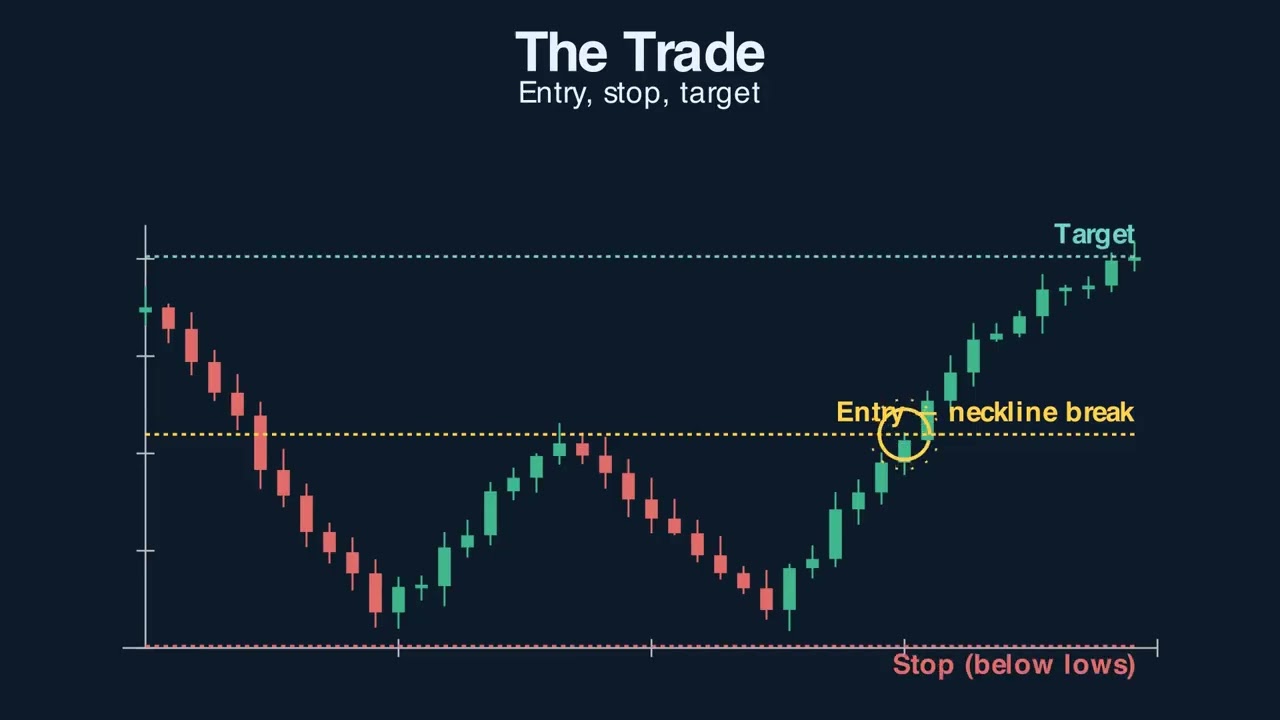
3:14 The double bottom reversal: two tests of support, the neckline that confirms it, the measured-move target, and the trap of front-running the breakout. With a real chart.
 3:08
3:08 The Confluence Method: a swing trade only qualifies when four signals stack — price action/structure, a key level, momentum, and a trigger — run through one workflow: Scan, Stack, Execute, Review. Shown on animated charts and a real ticker.
 4:48
4:48 Indicator-Confirmed Chart Patterns: Filtering the Noise OBV is one of the most-used — and most-misused — tools in technical analysis. In this episode we break it down for serious traders: the intuition and the math, how to read it, real entry and exit signals, an analogy that makes it click, a worked example, and the pitfalls to avoid.
 6:48
6:48 May 2026 watchlist via the Confluence Method screener: 5 S&P 500 stocks that passed all four signals — price action above a rising 50-day, breakout above the 60-day high, RSI 50-70 and rising, and a volume-confirmed trigger candle — plus 5 high-flying names every other channel will list that the method rejects (all for the same reason: RSI extended). Educational only, not financial advice.
 6:04
6:04 CCI: Spotting Cyclical Extremes CCI is one of the most-used — and most-misused — tools in technical analysis. In this episode we break it down for serious traders: the intuition and the math, how to read it, real entry and exit signals, an analogy that makes it click, a worked example, and the pitfalls to avoid.
 6:14
6:14 Stochastic RSI: Momentum of Momentum Stochastic RSI is one of the most-used — and most-misused — tools in technical analysis. In this episode we break it down for serious traders: the intuition and the math, how to read it, real entry and exit signals, an analogy that makes it click, a worked example, and the pitfalls to avoid.
 5:12
5:12 RSI: The Overbought Trap and Divergence RSI is one of the most-used — and most-misused — tools in technical analysis. In this episode we break it down for serious traders: the intuition and the math, how to read it, real entry and exit signals, an analogy that makes it click, a worked example, and the pitfalls to avoid.
 6:07
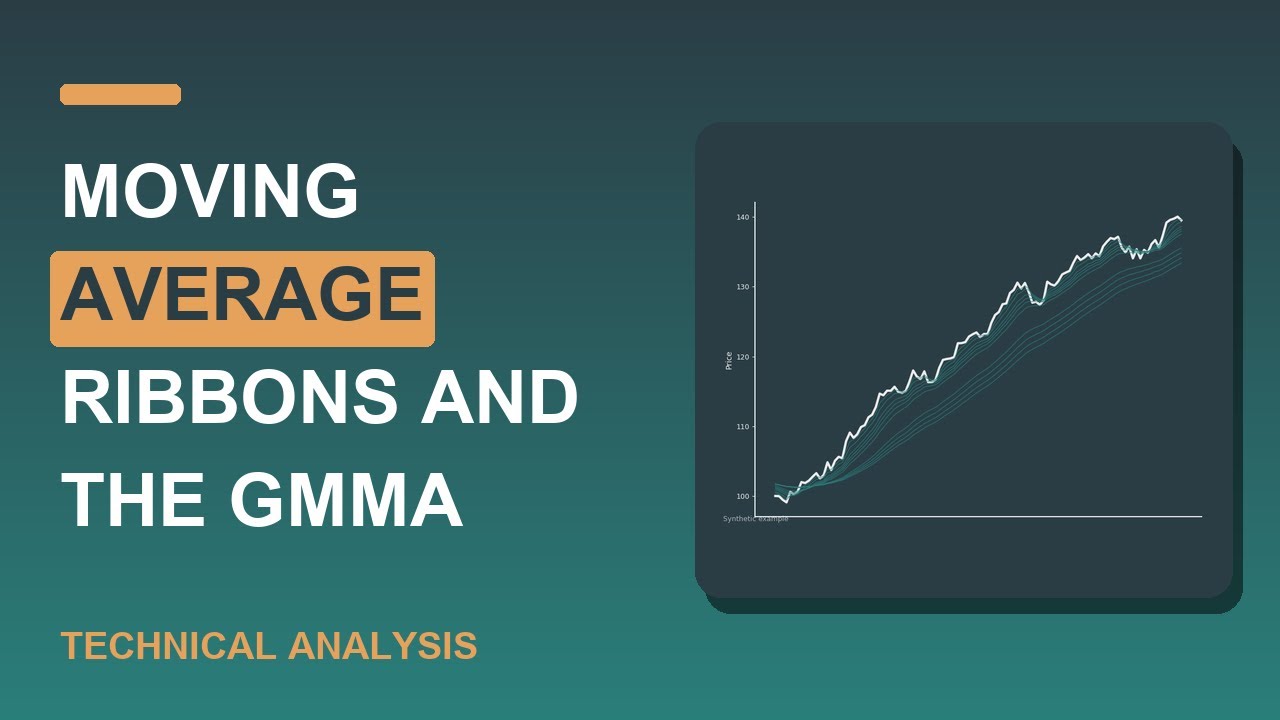
6:07 Moving Average Ribbons and the GMMA Moving Average Ribbon is one of the most-used — and most-misused — tools in technical analysis. In this episode we break it down for serious traders: the intuition and the math, how to read it, real entry and exit signals, an analogy that makes it click, a worked example, and the pitfalls to avoid.
 5:48
5:48 The Accumulation/Distribution Line: Reading the Footprints of Smart Money Accumulation/Distribution is one of the most-used — and most-misused — tools in technical analysis. In this episode we break it down for serious traders: the intuition and the math, how to read it, real entry and exit signals, an analogy that makes it click, a worked example, and the pitfalls to avoid.
 6:28
6:28 The Bollinger Band Squeeze: Trading Volatility Compression Bollinger Bands is one of the most-used — and most-misused — tools in technical analysis. In this episode we break it down for serious traders: the intuition and the math, how to read it, real entry and exit signals, an analogy that makes it click, a worked example, and the pitfalls to avoid.
 5:23
5:23 Donchian Channels and the Turtle Breakout Donchian Channels is one of the most-used — and most-misused — tools in technical analysis. In this episode we break it down for serious traders: the intuition and the math, how to read it, real entry and exit signals, an analogy that makes it click, a worked example, and the pitfalls to avoid.
 5:05
5:05 Keltner Channels vs Bollinger Bands: The Volatility Duel Bollinger Bands is one of the most-used — and most-misused — tools in technical analysis. In this episode we break it down for serious traders: the intuition and the math, how to read it, real entry and exit signals, an analogy that makes it click, a worked example, and the pitfalls to avoid.
 5:51
5:51 Rate of Change: Reading Pure Price Momentum Rate of Change is one of the most-used — and most-misused — tools in technical analysis. In this episode we break it down for serious traders: the intuition and the math, how to read it, real entry and exit signals, an analogy that makes it click, a worked example, and the pitfalls to avoid.
 4:53
4:53 Bollinger Bands: Mean Reversion and Trend Bollinger Bands is one of the most-used — and most-misused — tools in technical analysis. In this episode we break it down for serious traders: the intuition and the math, how to read it, real entry and exit signals, an analogy that makes it click, a worked example, and the pitfalls to avoid.
 5:52
5:52 Williams %R Explained: An Advanced Trader's Guide Williams %R is one of the most-used — and most-misused — tools in technical analysis. In this episode we break it down for serious traders: the intuition and the math, how to read it, real entry and exit signals, an analogy that makes it click, a worked example, and the pitfalls to avoid.
 5:54
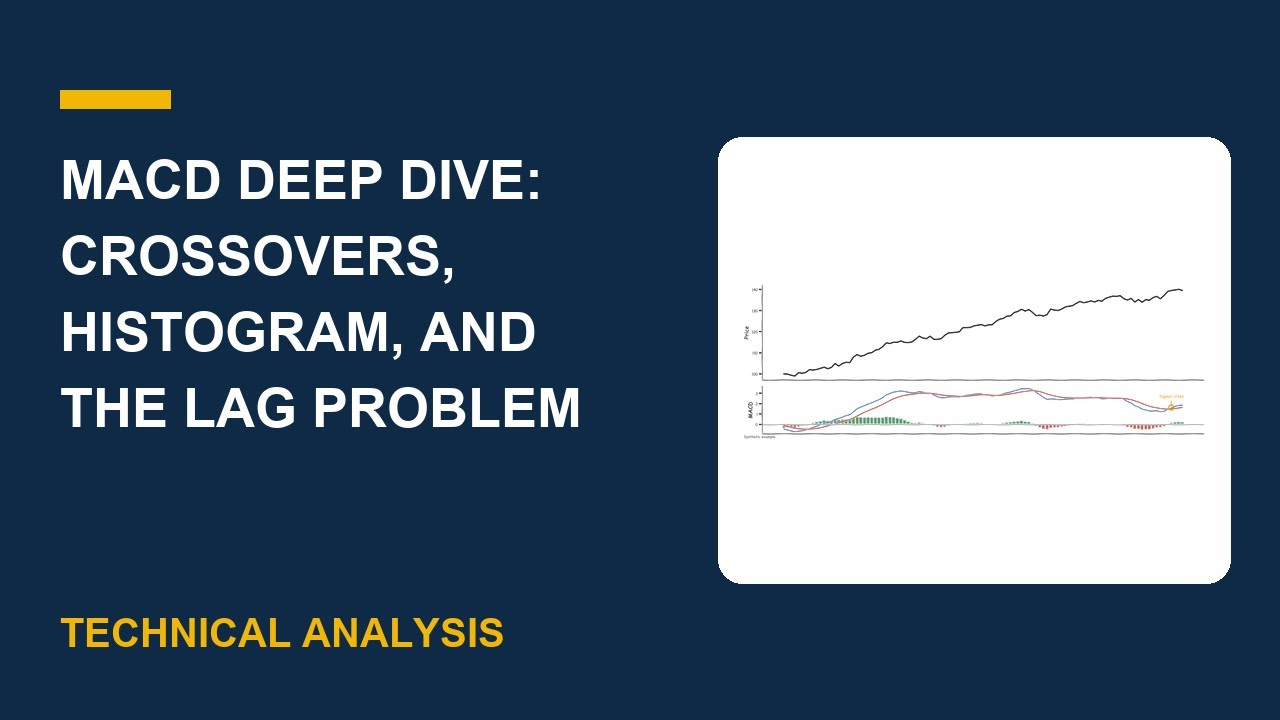
5:54 MACD Deep Dive: Crossovers, Histogram, and the Lag Problem MACD is one of the most-used — and most-misused — tools in technical analysis. In this episode we break it down for serious traders: the intuition and the math, how to read it, real entry and exit signals, an analogy that makes it click, a worked example, and the pitfalls to avoid.
 7:55
7:55 Simple Candlestick Patterns You NEED to Know! Master Trading Signals for Stocks, Forex & Crypto 📈 Want to improve your trading strategy?
 7:59
7:59 Double RSI Trading Strategy 2025: How to Win Without Losses in Forex, Stocks & Crypto 📈 Looking for a high-accuracy trading strategy that minimizes losses and maximizes wins? The Double RSI strategy is one of the most effective ways to filter out false signals, confirm strong trends, and improve trade execution.
 3:25
3:25 The descending triangle: flat support, lower highs, and the breakdown that follows — the bearish mirror of the ascending triangle. Anatomy, entry/stop/target, the early-entry trap, and a real chart.
 0:17
0:17  0:17
0:17 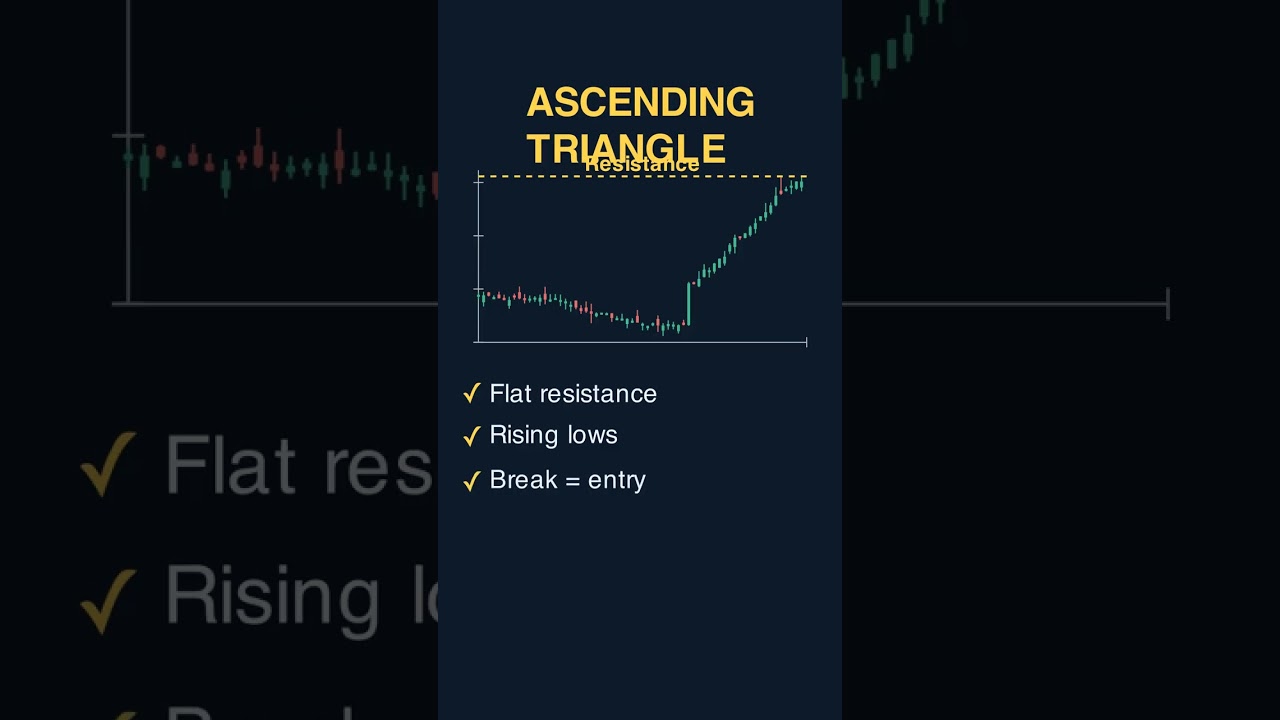 0:17
0:17 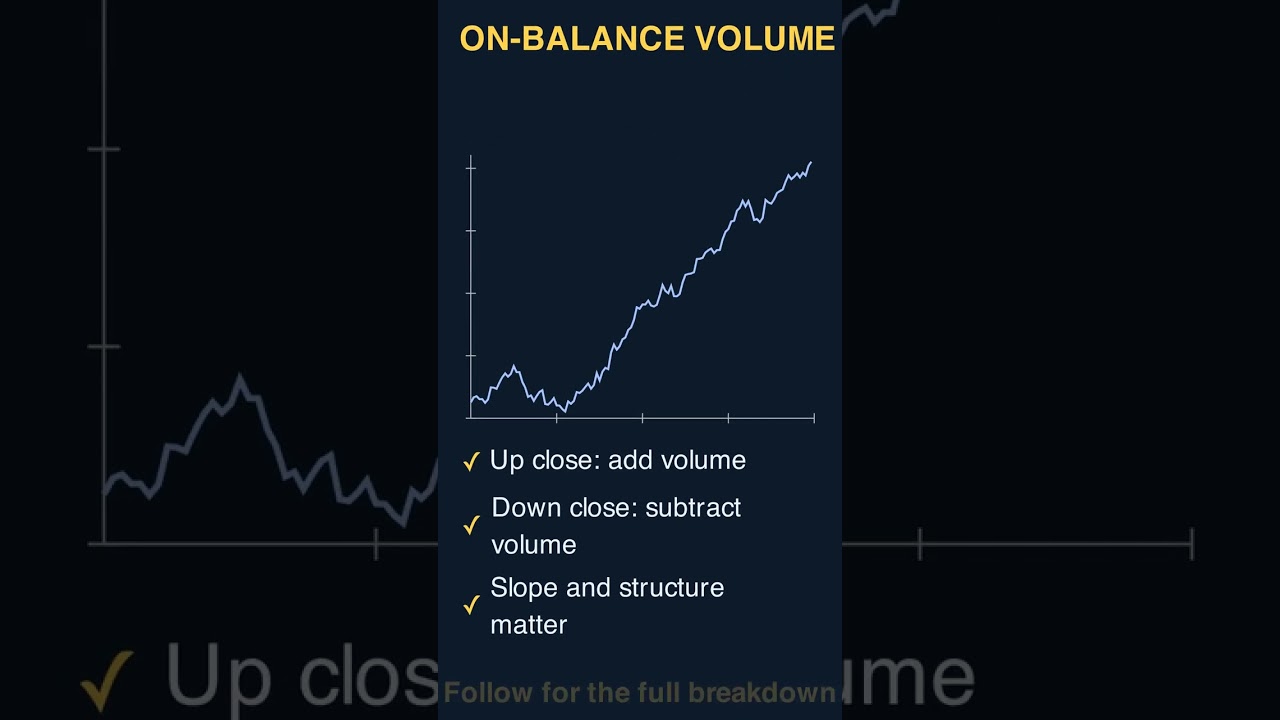 0:31
0:31  0:17
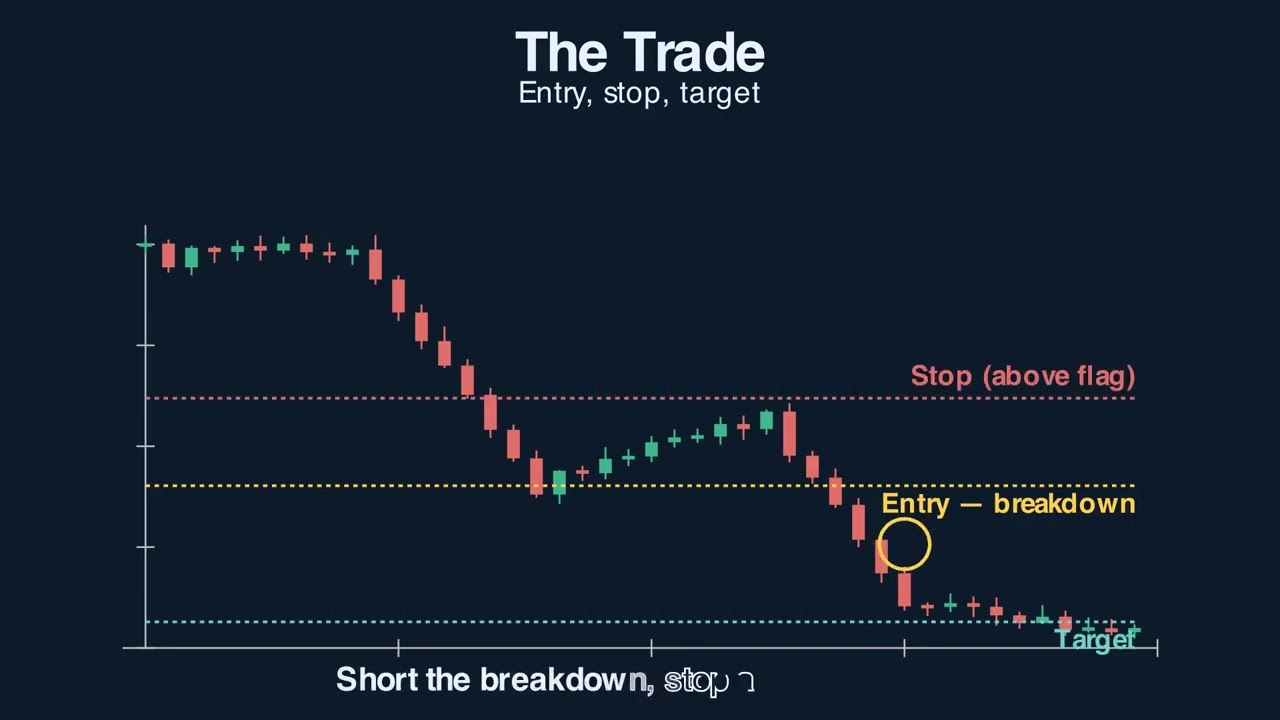
0:17 Full video: https://youtu. be/lgFc8KMRYPw The Pullback Entry.
 3:13
3:13 The bear flag: a sharp drop, a weak upward drift, then continuation lower. The mirror of the bull flag — anatomy, the breakdown trigger, entry/stop/target, and the short-squeeze trap.
 0:18
0:18 Full video: https://youtu. be/COKZt1MZMVs The Confluence Method.
 0:26
0:26 Full video: https://youtu. be/_E6YEPc6PPY Revvity Up 27 Percent — Qualified.
 0:27
0:27 Full video: https://youtu. be/_E6YEPc6PPY Broadcom Up 10 Percent — Quietly Leading Tech.
 0:20
0:20 Full video: https://youtu. be/_E6YEPc6PPY Ross Stores Up Just 3 Percent — But Qualified.
 0:27
0:27 Full video: https://youtu. be/_E6YEPc6PPY Invesco Up 12 Percent — The Cleanest Entry.
 0:24
0:24 Full video: https://youtu. be/_E6YEPc6PPY Robinhood Up 32 Percent — Qualified.
 0:26
0:26 Full video: https://youtu. be/_E6YEPc6PPY Dell Is Up 104 Percent.
 0:30
0:30 Money Flow Index. Fast trading lessons in under 30 seconds — indicators, ICT smart-money concepts, and real setups for stocks and futures.
 0:28
0:28 Moving Average Ribbons and the GMMA. Fast trading lessons in under 30 seconds — indicators, ICT smart-money concepts, and real setups for stocks and futures.
 0:55
0:55 Welcome to Stock Market Method. We teach the Confluence Method — the four-signal framework that filters 90 percent of bad trades out: price action, a key level, momentum, and a trigger that has to fire before you commit a cent.
 0:17
0:17 Moving Averages. Slope = the trend Cross = a heads-up Buy the pullback.
 0:23
0:23 Order Blocks. Fast trading lessons in under 30 seconds — indicators, ICT smart-money concepts, and real setups for stocks and futures.
 0:28
0:28 Fair Value Gaps. Fast trading lessons in under 30 seconds — indicators, ICT smart-money concepts, and real setups for stocks and futures.
 0:38
0:38 Think you're a trading expert? Put your skills to the test with this quick and intriguing riddle about trading!
A setup is the context — structure, level, and momentum aligned on your watchlist. A trigger is the actual entry event (a candle close, a reclaim, a breakout) that turns that context into a position with a defined stop.
The trigger times the entry and anchors the stop, which is what makes risk measurable. Entering before the trigger means guessing, and guessing has no repeatable edge.
We use privacy-friendly analytics (Google Analytics & Microsoft Clarity) to understand what's useful and improve the lessons. Nothing loads until you accept. See our privacy notice.
Type to search the full catalog.