Position sizing, stop placement, and a calm process are what let the edge actually compound over hundreds of trades.
The four signals find the trade; risk management and psychology decide whether you survive long enough for the edge to pay. This pillar covers fixed-fractional position sizing, stop placement anchored to structure, when to scale, and the routines that keep emotion out of execution. The Review step of the workflow lives here: every trade is logged and graded against the method, not against its outcome.
The Stochastic Oscillator, Decoded Stochastic is one of the most-used — and most-misused — tools in technical analysis. In this episode we break it down for serious traders: the intuition and the math, how to read it, real entry and exit signals, an analogy that makes it click, a worked example, and the pitfalls to avoid.
Supertrend: A Cleaner Trend Filter Supertrend is one of the most-used — and most-misused — tools in technical analysis. In this episode we break it down for serious traders: the intuition and the math, how to read it, real entry and exit signals, an analogy that makes it click, a worked example, and the pitfalls to avoid.
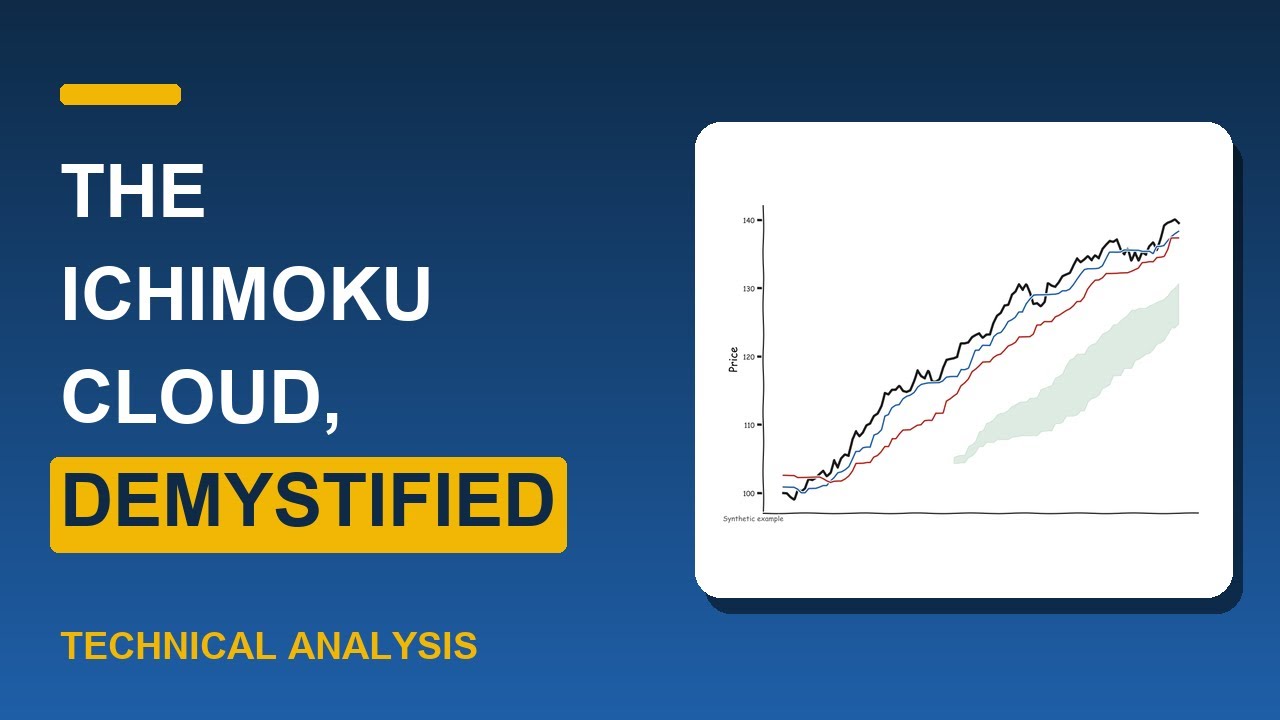
The Ichimoku Cloud, Demystified Ichimoku Cloud is one of the most-used — and most-misused — tools in technical analysis. In this episode we break it down for serious traders: the intuition and the math, how to read it, real entry and exit signals, an analogy that makes it click, a worked example, and the pitfalls to avoid.
Parabolic SAR for Trailing Stops: The Advanced Trader's Playbook Parabolic SAR is one of the most-used — and most-misused — tools in technical analysis. In this episode we break it down for serious traders: the intuition and the math, how to read it, real entry and exit signals, an analogy that makes it click, a worked example, and the pitfalls to avoid.
Master market structure the ICT way — Break of Structure (BOS) and Change of Character (CHoCH) — the foundation every futures trader needs. We break it down on a clean idealized chart, then prove it live on real S&P 500 e-mini (ES) futures.
Donchian Channels and the Turtle Breakout Donchian Channels is one of the most-used — and most-misused — tools in technical analysis. In this episode we break it down for serious traders: the intuition and the math, how to read it, real entry and exit signals, an analogy that makes it click, a worked example, and the pitfalls to avoid.
ATR and Volatility-Based Stops: The Advanced Trader's Guide ATR is one of the most-used — and most-misused — tools in technical analysis. In this episode we break it down for serious traders: the intuition and the math, how to read it, real entry and exit signals, an analogy that makes it click, a worked example, and the pitfalls to avoid.
Why Automate Your Trading? | Automate your Trading View Strategy | How to Automate Your Trades Why Automation Your Trading Why Every Trader Needs Automation – The Secret to Consistent Profits!
Essential Tools for Trading | Top 10 Essential Trading Tools for Profits in 2025 | Cash the Future Discover the ultimate trading tools for 2025! From AI-powered bots to real-time market scanners, we reveal the must-have resources for crypto and stock traders.
Beginners Guide to Options Trading: Master Calls, Puts, and Strategies to Start Profiting Ready to explore the world of options trading but not sure where to start? This comprehensive beginner's guide will break down everything you need to know to trade options confidently.
How to Identify Breakout Stocks Before They Explode: EVERYTHING YOU NEED TO KNOW | Pro Tips for 2025 Want to identify breakout stocks before they soar? This video is your ultimate guide to mastering the art of spotting breakout opportunities in the stock market.
5 Trading Mistakes Killing Your Profits (Learn How to Avoid Them) Trading Mistakes to Avoid in 2025 Are your trading profits slipping away despite your best efforts? You’re not alone.
5 Rules to Master Trading Psychology | How I Fixed My Day Trading Mindset (Trading Secrets Revealed) Struggling with day trading losses? You're not alone!
How to Get Rich With Trading in Futures (Secrets to Earning BIG in 2025) #howtodaytrade Are you ready to uncover the secrets to earning BIG in Futures Trading? In this video, I jumped deep into the strategies, tools, and mindset that separate successful traders from those who struggle.
Unlock the secrets to futures trading like a pro in 2025! In this video, we'll dive into the world of day trading and risk management, giving you the tools you need to achieve financial freedom.
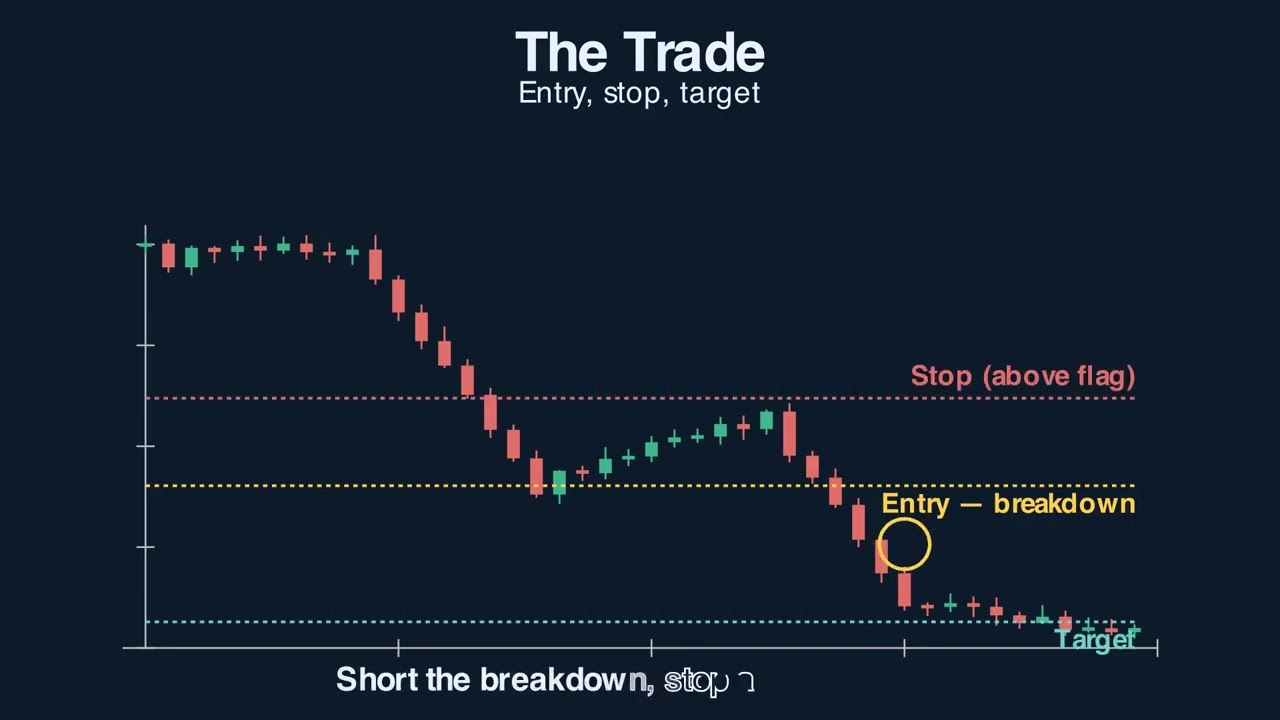
The bear flag: a sharp drop, a weak upward drift, then continuation lower. The mirror of the bull flag — anatomy, the breakdown trigger, entry/stop/target, and the short-squeeze trap.
Deepseek | How to Use DeepSeek | NEW Deepseek AI Good For Creating Trading Strategies Hidden Risks Is AI Manipulating the Stock Market? The Hidden Risks of AI Trading AI in Trading: Hidden Dangers You MUST Know Before Investing DeepSeek AI & Stock Market Manipulation – Should Investors Be Worried AI-powered trading is transforming the stock market, but is it also creating hidden risks?
Trading Mistakes | Why Most Day Traders Fail | Biggest trading mistakes 2025 #trading #shorts 10 Day Trading Mistakes That Wipe Out Traders (Avoid These! ) Why Most Day Traders Fail: The Costly Mistakes You Must Avoid Top 10 Trading Mistakes That Will Destroy Your Account (Stop Doing These!
Futures vs Options: The Financial Trap That Can Ruin You | Why Most Traders Lose Everything in 2025! Dive into the intense world of trading with our video "Futures vs Options: Which is Right for You?
The Biggest 10 Trading Mistakes You're Probably Making in 2025 | How to Avoid TRADING MISTAKES Discover the **Top 10 Trading Mistakes** that could be costing you money and learn how to avoid them! In this insightful video, we break down common pitfalls such as entering trades too late, misusing indicators, and neglecting stop losses.
Unlock the secrets of successful options trading with our fast-paced guide: "The Truth About Trading Options: What You Need to Stop Doing! " 🚀 In this action-packed video, we expose common mistakes like over-leveraging, ignoring the Greeks, and chasing losses.
Mastering Trade Psychology in less than 60 Seconds Unlock the secrets of Trade Psychology in just 60 seconds! In this fast-paced YouTube Shorts video, we explore the stark contrast between the stressed and calm trader, showcasing the mental battles faced in the trading world.
From Losses to Wins: Improving My Trading Strategy for Stock Market Success Special Discount Coupon for Prop Trading Firm https://apextraderfunding. com/member/aff/go/jdmtventuresllc?
Options Trading EXPERT Shares Top Secrets for Beginners Beginners's Guide to Options Trading Special Discount Coupon for Prop Trading Firm https://apextraderfunding. com/member/aff/go/jdmtventuresllc?
🚨 **5 Trading Mistakes Killing Your Profits and How to Avoid Them** 🚨 Are you struggling to maximize your #trading #profits? Chances are, you're making one (or more) of these common trading mistakes that could be draining your hard-earned money.
🌟 Top Psychologist Reveals Success Secrets of Highly Driven People 🌟 In this motivational video, we explore the journey to success, especially for those trading stocks, options, and navigating the financial markets. Success isn’t about perfection—it’s about resilience, learning from your experiences, and celebrating every small victory along the way.
The Risk Protector "Can You Name Me? " is a clever riddle that challenges you to identify the key concept that helps traders minimize losses and safeguard their investments in uncertain markets.
Discover how to stay calm and focused during market turbulence in just one minute! This quick yet powerful insight will help you develop the mindset needed to navigate volatility like a pro.
Risk & Psych — FAQ
How much should I risk per trade?+
The method uses fixed-fractional sizing — a small, constant percentage of the account per trade (commonly 0.5–1%) — so that no single loss is consequential and a losing streak can't end the account.
How do you keep emotion out of execution?+
By making the process mechanical: a setup either stacks four signals or it doesn't, the stop is defined before entry, and every trade is reviewed against the method rather than its profit or loss.
One concise email when a new lesson drops — plus the occasional breakdown you won't find on YouTube. No spam, unsubscribe anytime.
We use privacy-friendly analytics (Google Analytics & Microsoft Clarity)
to understand what's useful and improve the lessons. Nothing loads until you
accept. See our
privacy notice.
 5:28
5:28