 3:25
3:25 Price Action
The Cup and Handle: Patience Pays on This Breakout (Swing Trading)
The cup and handle: a rounded base, a low-volume handle, then the breakout. Anatomy, the entry/stop/target, the buy-the-cup trap, and a real chart.
A stacking signal
Read the chart's structure first — trend, swing highs and lows, and whether price is building a base or breaking one.
Price action and market structure are the foundation of every Confluence Method trade. Before any indicator, you map the trend with higher highs and higher lows (or the reverse), identify whether price is impulsive or corrective, and locate the structure you are trading from — a base, a pullback, a breakout, or a reversal. Structure tells you the story; the other three signals confirm whether the story is worth a position.
How this fits the Confluence Method ▸ 3:25 The cup and handle: a rounded base, a low-volume handle, then the breakout. Anatomy, the entry/stop/target, the buy-the-cup trap, and a real chart.
 3:14
3:14 Head and shoulders: the three-peak top, the neckline that confirms it, the measured target, and the trap of shorting too early. With a real chart.
 3:31
3:31 The ascending triangle: a flat resistance, rising lows, and the breakout that follows. Anatomy, the entry/stop/target, the early-entry trap, and a real chart.
 4:56
4:56 On-Balance Volume: Reading Accumulation Before Price Moves OBV is one of the most-used — and most-misused — tools in technical analysis. In this episode we break it down for serious traders: the intuition and the math, how to read it, real entry and exit signals, an analogy that makes it click, a worked example, and the pitfalls to avoid.
 3:42
3:42 The pullback entry: in a healthy uptrend, buy the dip into the rising moving average instead of chasing the breakout. Anatomy, the exact entry/stop/target, the falling-knife trap, and a real chart.
 3:14
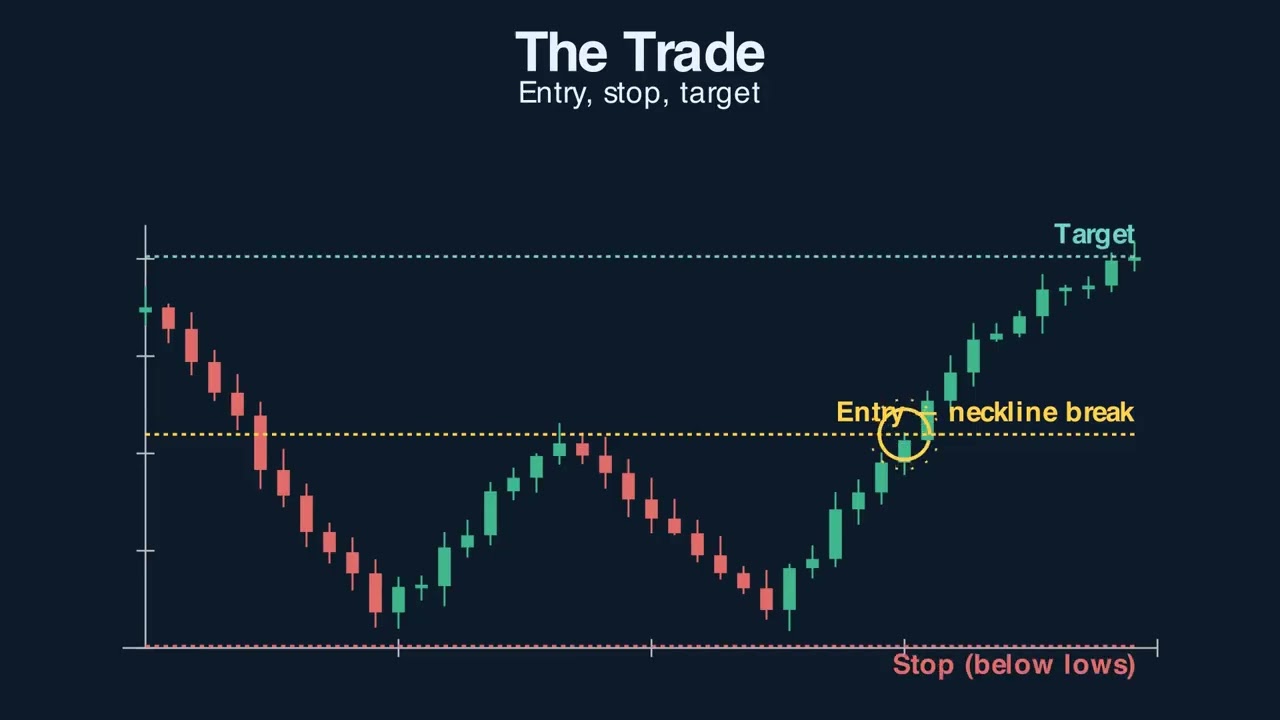
3:14 The double bottom reversal: two tests of support, the neckline that confirms it, the measured-move target, and the trap of front-running the breakout. With a real chart.
 3:08
3:08 The Confluence Method: a swing trade only qualifies when four signals stack — price action/structure, a key level, momentum, and a trigger — run through one workflow: Scan, Stack, Execute, Review. Shown on animated charts and a real ticker.
 4:48
4:48 Indicator-Confirmed Chart Patterns: Filtering the Noise OBV is one of the most-used — and most-misused — tools in technical analysis. In this episode we break it down for serious traders: the intuition and the math, how to read it, real entry and exit signals, an analogy that makes it click, a worked example, and the pitfalls to avoid.
 6:48
6:48 May 2026 watchlist via the Confluence Method screener: 5 S&P 500 stocks that passed all four signals — price action above a rising 50-day, breakout above the 60-day high, RSI 50-70 and rising, and a volume-confirmed trigger candle — plus 5 high-flying names every other channel will list that the method rejects (all for the same reason: RSI extended). Educational only, not financial advice.
 6:04
6:04 CCI: Spotting Cyclical Extremes CCI is one of the most-used — and most-misused — tools in technical analysis. In this episode we break it down for serious traders: the intuition and the math, how to read it, real entry and exit signals, an analogy that makes it click, a worked example, and the pitfalls to avoid.
 6:14
6:14 Stochastic RSI: Momentum of Momentum Stochastic RSI is one of the most-used — and most-misused — tools in technical analysis. In this episode we break it down for serious traders: the intuition and the math, how to read it, real entry and exit signals, an analogy that makes it click, a worked example, and the pitfalls to avoid.
 5:28
5:28 The Stochastic Oscillator, Decoded Stochastic is one of the most-used — and most-misused — tools in technical analysis. In this episode we break it down for serious traders: the intuition and the math, how to read it, real entry and exit signals, an analogy that makes it click, a worked example, and the pitfalls to avoid.
 5:12
5:12 RSI: The Overbought Trap and Divergence RSI is one of the most-used — and most-misused — tools in technical analysis. In this episode we break it down for serious traders: the intuition and the math, how to read it, real entry and exit signals, an analogy that makes it click, a worked example, and the pitfalls to avoid.
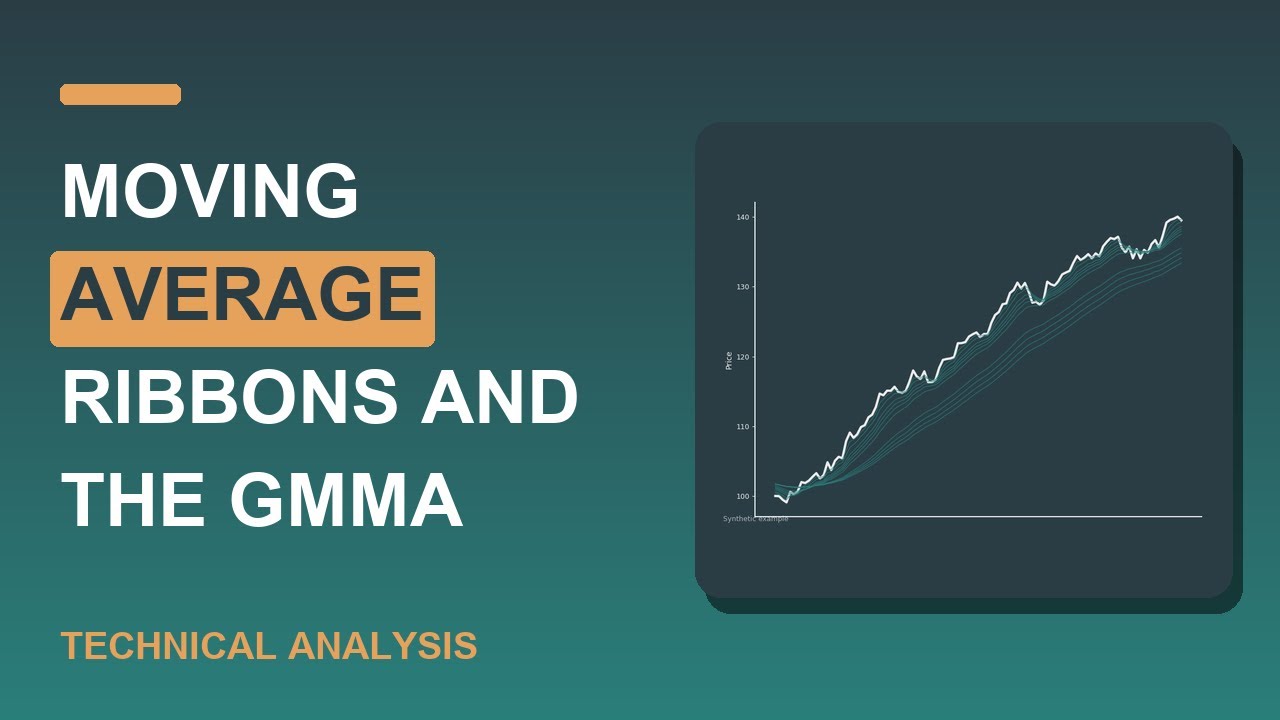 6:07
6:07 Moving Average Ribbons and the GMMA Moving Average Ribbon is one of the most-used — and most-misused — tools in technical analysis. In this episode we break it down for serious traders: the intuition and the math, how to read it, real entry and exit signals, an analogy that makes it click, a worked example, and the pitfalls to avoid.
 6:04
6:04 Multi-Timeframe Analysis: Trading in Three Dimensions Moving Averages is one of the most-used — and most-misused — tools in technical analysis. In this episode we break it down for serious traders: the intuition and the math, how to read it, real entry and exit signals, an analogy that makes it click, a worked example, and the pitfalls to avoid.
 5:51
5:51 Supertrend: A Cleaner Trend Filter Supertrend is one of the most-used — and most-misused — tools in technical analysis. In this episode we break it down for serious traders: the intuition and the math, how to read it, real entry and exit signals, an analogy that makes it click, a worked example, and the pitfalls to avoid.
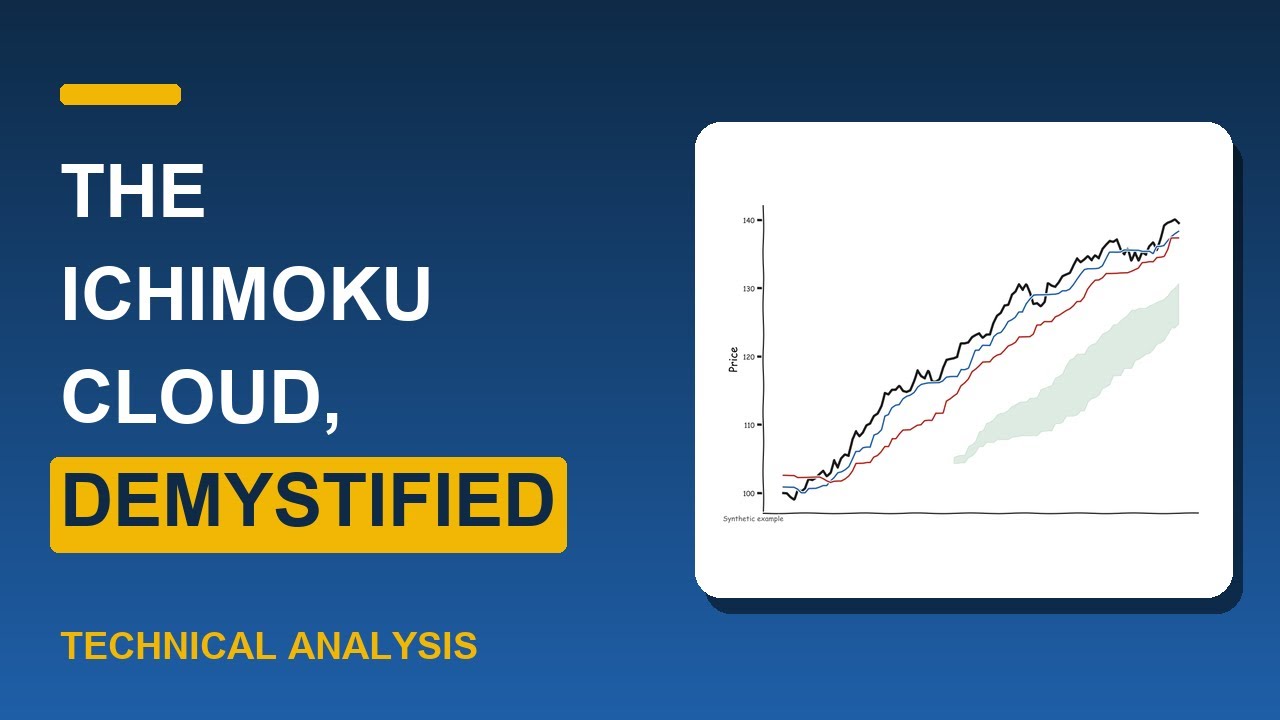 5:51
5:51 The Ichimoku Cloud, Demystified Ichimoku Cloud is one of the most-used — and most-misused — tools in technical analysis. In this episode we break it down for serious traders: the intuition and the math, how to read it, real entry and exit signals, an analogy that makes it click, a worked example, and the pitfalls to avoid.
 5:50
5:50 Parabolic SAR for Trailing Stops: The Advanced Trader's Playbook Parabolic SAR is one of the most-used — and most-misused — tools in technical analysis. In this episode we break it down for serious traders: the intuition and the math, how to read it, real entry and exit signals, an analogy that makes it click, a worked example, and the pitfalls to avoid.
 1:51
1:51 Master market structure the ICT way — Break of Structure (BOS) and Change of Character (CHoCH) — the foundation every futures trader needs. We break it down on a clean idealized chart, then prove it live on real S&P 500 e-mini (ES) futures.
 4:48
4:48 ADX and DMI: Measuring Trend Strength ADX is one of the most-used — and most-misused — tools in technical analysis. In this episode we break it down for serious traders: the intuition and the math, how to read it, real entry and exit signals, an analogy that makes it click, a worked example, and the pitfalls to avoid.
 5:28
5:28 Fibonacci Retracements and Extensions: An Advanced Trader's Guide Fibonacci is one of the most-used — and most-misused — tools in technical analysis. In this episode we break it down for serious traders: the intuition and the math, how to read it, real entry and exit signals, an analogy that makes it click, a worked example, and the pitfalls to avoid.
 5:48
5:48 The Accumulation/Distribution Line: Reading the Footprints of Smart Money Accumulation/Distribution is one of the most-used — and most-misused — tools in technical analysis. In this episode we break it down for serious traders: the intuition and the math, how to read it, real entry and exit signals, an analogy that makes it click, a worked example, and the pitfalls to avoid.
 6:28
6:28 The Bollinger Band Squeeze: Trading Volatility Compression Bollinger Bands is one of the most-used — and most-misused — tools in technical analysis. In this episode we break it down for serious traders: the intuition and the math, how to read it, real entry and exit signals, an analogy that makes it click, a worked example, and the pitfalls to avoid.
 5:23
5:23 Donchian Channels and the Turtle Breakout Donchian Channels is one of the most-used — and most-misused — tools in technical analysis. In this episode we break it down for serious traders: the intuition and the math, how to read it, real entry and exit signals, an analogy that makes it click, a worked example, and the pitfalls to avoid.
 5:05
5:05 Keltner Channels vs Bollinger Bands: The Volatility Duel Bollinger Bands is one of the most-used — and most-misused — tools in technical analysis. In this episode we break it down for serious traders: the intuition and the math, how to read it, real entry and exit signals, an analogy that makes it click, a worked example, and the pitfalls to avoid.
 5:28
5:28 Money Flow Index: The Volume-Weighted RSI Money Flow Index is one of the most-used — and most-misused — tools in technical analysis. In this episode we break it down for serious traders: the intuition and the math, how to read it, real entry and exit signals, an analogy that makes it click, a worked example, and the pitfalls to avoid.
 5:51
5:51 Rate of Change: Reading Pure Price Momentum Rate of Change is one of the most-used — and most-misused — tools in technical analysis. In this episode we break it down for serious traders: the intuition and the math, how to read it, real entry and exit signals, an analogy that makes it click, a worked example, and the pitfalls to avoid.
 5:33
5:33 ATR and Volatility-Based Stops: The Advanced Trader's Guide ATR is one of the most-used — and most-misused — tools in technical analysis. In this episode we break it down for serious traders: the intuition and the math, how to read it, real entry and exit signals, an analogy that makes it click, a worked example, and the pitfalls to avoid.
 4:53
4:53 Bollinger Bands: Mean Reversion and Trend Bollinger Bands is one of the most-used — and most-misused — tools in technical analysis. In this episode we break it down for serious traders: the intuition and the math, how to read it, real entry and exit signals, an analogy that makes it click, a worked example, and the pitfalls to avoid.
 5:52
5:52 Williams %R Explained: An Advanced Trader's Guide Williams %R is one of the most-used — and most-misused — tools in technical analysis. In this episode we break it down for serious traders: the intuition and the math, how to read it, real entry and exit signals, an analogy that makes it click, a worked example, and the pitfalls to avoid.
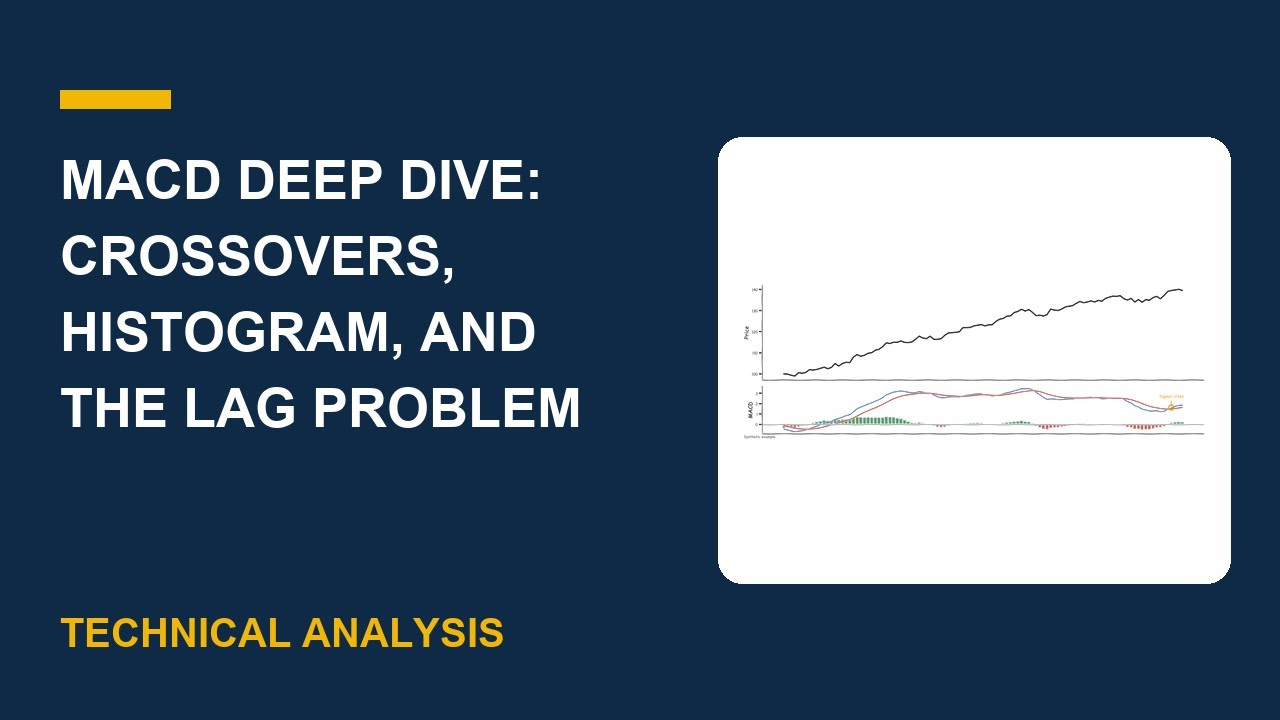 5:54
5:54 MACD Deep Dive: Crossovers, Histogram, and the Lag Problem MACD is one of the most-used — and most-misused — tools in technical analysis. In this episode we break it down for serious traders: the intuition and the math, how to read it, real entry and exit signals, an analogy that makes it click, a worked example, and the pitfalls to avoid.
 6:53
6:53 Moving Averages: SMA vs EMA and the Crossover Moving Averages is one of the most-used — and most-misused — tools in technical analysis. In this episode we break it down for serious traders: the intuition and the math, how to read it, real entry and exit signals, an analogy that makes it click, a worked example, and the pitfalls to avoid.
 7:13
7:13 Market Analysis | Price Action Secrets | Boost Your Trading | Cash the Future Market Analysis Secrets Mastering Stock Charts The Ultimate Guide to Market Analysis How to Read Stock Charts Like a Pro (Market Analysis Secrets) Technical Analysis 101 Decode Market Trends & Boost Your Trading Want to master technical analysis and improve your trading skills? In this video, we’ll break down the essentials of reading stock charts, understanding indicators, and spotting trends to make smarter trading decisions.
 7:09
7:09 Impact of Economic Indicators on the Stock Market| Exponential Economic Indicators Stock Market 📈Cash the Future's Discover how key economic indicators like GDP, inflation, and interest rates impact stock prices. Learn how traders use these reports to predict market trends and gain an investing edge.
 7:19
7:19 Essential Tools for Trading | Top 10 Essential Trading Tools for Profits in 2025 | Cash the Future Discover the ultimate trading tools for 2025! From AI-powered bots to real-time market scanners, we reveal the must-have resources for crypto and stock traders.
 9:30
9:30 bitcoin crypto analysis | Bitcoin and Crypto Rise Under Trump | Cash the Future #bitcoin #crypto Discover how Donald Trump's presidency influenced Bitcoin and the crypto market. From regulatory shifts to institutional adoption, we break down key trends, market movements, and the future of digital assets.
 7:55
7:55 Simple Candlestick Patterns You NEED to Know! Master Trading Signals for Stocks, Forex & Crypto 📈 Want to improve your trading strategy?
 7:59
7:59 Double RSI Trading Strategy 2025: How to Win Without Losses in Forex, Stocks & Crypto 📈 Looking for a high-accuracy trading strategy that minimizes losses and maximizes wins? The Double RSI strategy is one of the most effective ways to filter out false signals, confirm strong trends, and improve trade execution.
 4:03
4:03 How to Identify Breakout Stocks Before They Explode: EVERYTHING YOU NEED TO KNOW | Pro Tips for 2025 Want to identify breakout stocks before they soar? This video is your ultimate guide to mastering the art of spotting breakout opportunities in the stock market.
 3:58
3:58 5 Rules to Master Trading Psychology | How I Fixed My Day Trading Mindset (Trading Secrets Revealed) Struggling with day trading losses? You're not alone!
 5:51
5:51 Prop Firm Trading (What is good or bad? ) Curious about prop firm trading?
 3:59
3:59 Follow along a day in the life of a prop trader, making money through futures, stocks, and options trading in the market. See what it takes to succeed in the world of prop trading!
 5:38
5:38 Learn the basics of futures contracts in this comprehensive guide! This video breaks down what futures contracts are, how they work, and why they play a critical role in trading and investing.
 3:18
3:18 Introduction to Prop Trading: What is prop trading and how does it work? In this video, we dive into the world of proprietary trading, commonly known as prop trading.
 3:25
3:25 The descending triangle: flat support, lower highs, and the breakdown that follows — the bearish mirror of the ascending triangle. Anatomy, entry/stop/target, the early-entry trap, and a real chart.
 0:17
0:17  0:17
0:17 Full video: https://youtu. be/lgFc8KMRYPw The Pullback Entry.
 0:48
0:48 Liquidity — Buy-side & sell-side. Liquidity is just clusters of stop orders.
 3:13
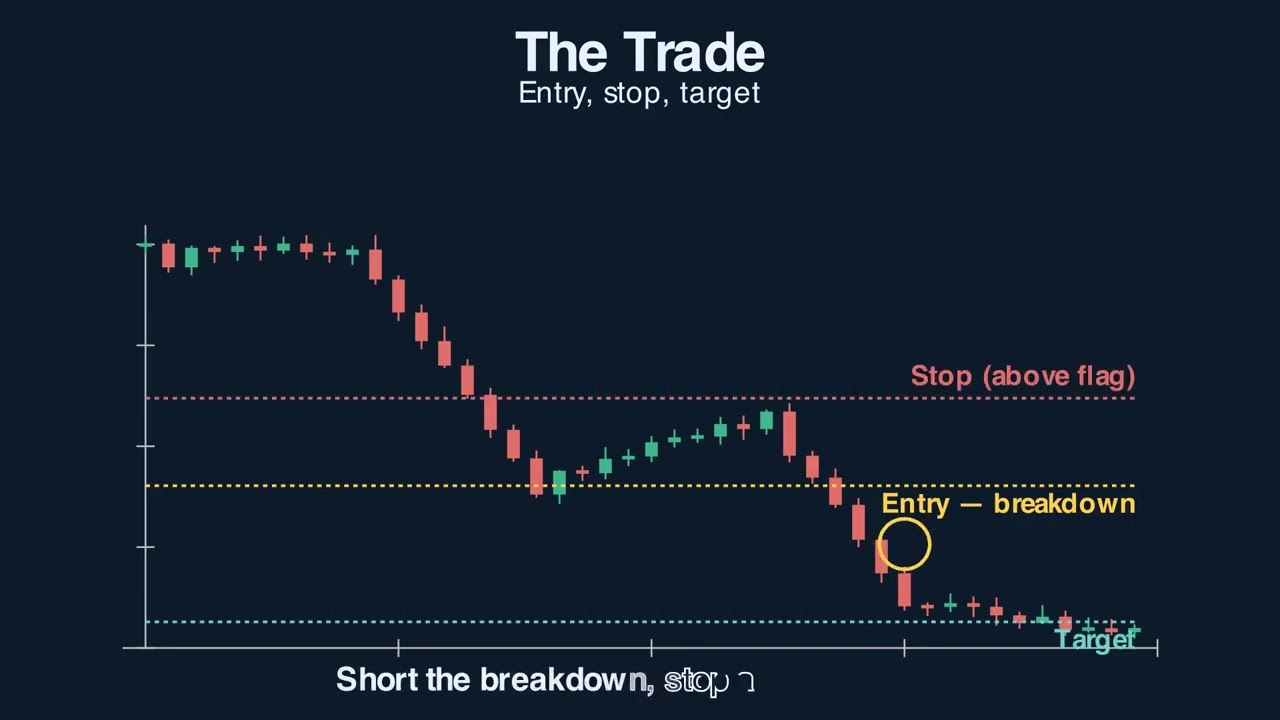
3:13 The bear flag: a sharp drop, a weak upward drift, then continuation lower. The mirror of the bull flag — anatomy, the breakdown trigger, entry/stop/target, and the short-squeeze trap.
 0:18
0:18 Full video: https://youtu. be/COKZt1MZMVs The Confluence Method.
 0:24
0:24 Full video: https://youtu. be/_E6YEPc6PPY Robinhood Up 32 Percent — Qualified.
 0:26
0:26 Full video: https://youtu. be/_E6YEPc6PPY Dell Is Up 104 Percent.
 0:55
0:55 Welcome to Stock Market Method. We teach the Confluence Method — the four-signal framework that filters 90 percent of bad trades out: price action, a key level, momentum, and a trigger that has to fire before you commit a cent.
 0:17
0:17 Moving Averages. Slope = the trend Cross = a heads-up Buy the pullback.
 0:17
0:17  0:29
0:29 Building Indicator Confluence Follow for the full breakdown.
 0:28
0:28 Floor-Trader Pivot Points Follow for the full breakdown.
 0:29
0:29  0:25
0:25  0:33
0:33  0:40
0:40 Floor-Trader Pivot Points Follow for the full breakdown.
 0:30
0:30 Market Structure: BOS & CHoCH Follow for the full breakdown.
 0:31
0:31 Indicator-Confirmed Chart Patterns Follow for the full breakdown.
 0:34
0:34 Building Indicator Confluence Follow for the full breakdown.
 0:30
0:30 ATR and Volatility-Based Stops Follow for the full breakdown.
 8:52
8:52 Deepseek | How to Use DeepSeek | NEW Deepseek AI Good For Creating Trading Strategies Hidden Risks Is AI Manipulating the Stock Market? The Hidden Risks of AI Trading AI in Trading: Hidden Dangers You MUST Know Before Investing DeepSeek AI & Stock Market Manipulation – Should Investors Be Worried AI-powered trading is transforming the stock market, but is it also creating hidden risks?
 14:20
14:20 The Biggest 10 Trading Mistakes You're Probably Making in 2025 | How to Avoid TRADING MISTAKES Discover the **Top 10 Trading Mistakes** that could be costing you money and learn how to avoid them! In this insightful video, we break down common pitfalls such as entering trades too late, misusing indicators, and neglecting stop losses.
 0:52
0:52 How to Read a Candlestick Chart #stockmarket #finance #candlestick #chart Special Discount Coupon for Prop Trading Firm https://apextraderfunding. com/member/aff/go/jdmtventuresllc?
 4:52
4:52 *PRO Traders REVEAL Their Top RSI and MACD Secrets! * Special Discount Coupon for Prop Trading Firm https://apextraderfunding.
 0:38
0:38 Find out if the Trading Clock is really the key to market success in this video. Can you time it right?
 0:45
0:45 Get ready for a BIG change in your DTI score! 🚀 Stay tuned for all the details and upcoming updates that could majorly impact your financial journey!
Indicators are derived from price, so they lag it. Reading structure first — trend direction and swing points — tells you the context an indicator can only echo, and keeps you trading with the dominant flow rather than against it.
Primarily continuation setups (pullbacks and bases inside a trend) and high-confidence reversals at exhausted swings. Each must still stack a level, momentum, and a trigger before it qualifies.
We use privacy-friendly analytics (Google Analytics & Microsoft Clarity) to understand what's useful and improve the lessons. Nothing loads until you accept. See our privacy notice.
Type to search the full catalog.